Senior Living: Accepting a Lively Lifestyle
Elderly care in modern times reflects a movement towards a more dynamic existence. It unites convenience with opportunities for interpersonal engagement and personal advancement. Well-designed environments support autonomy while cultivating social relationships. Wellness and health programs function as an crucial component, together with engaging activities that encourage friendships. Which components genuinely matter to this satisfying experience? Investigating these aspects reveals how current senior living can significantly enhance the quality of life for aging adults.
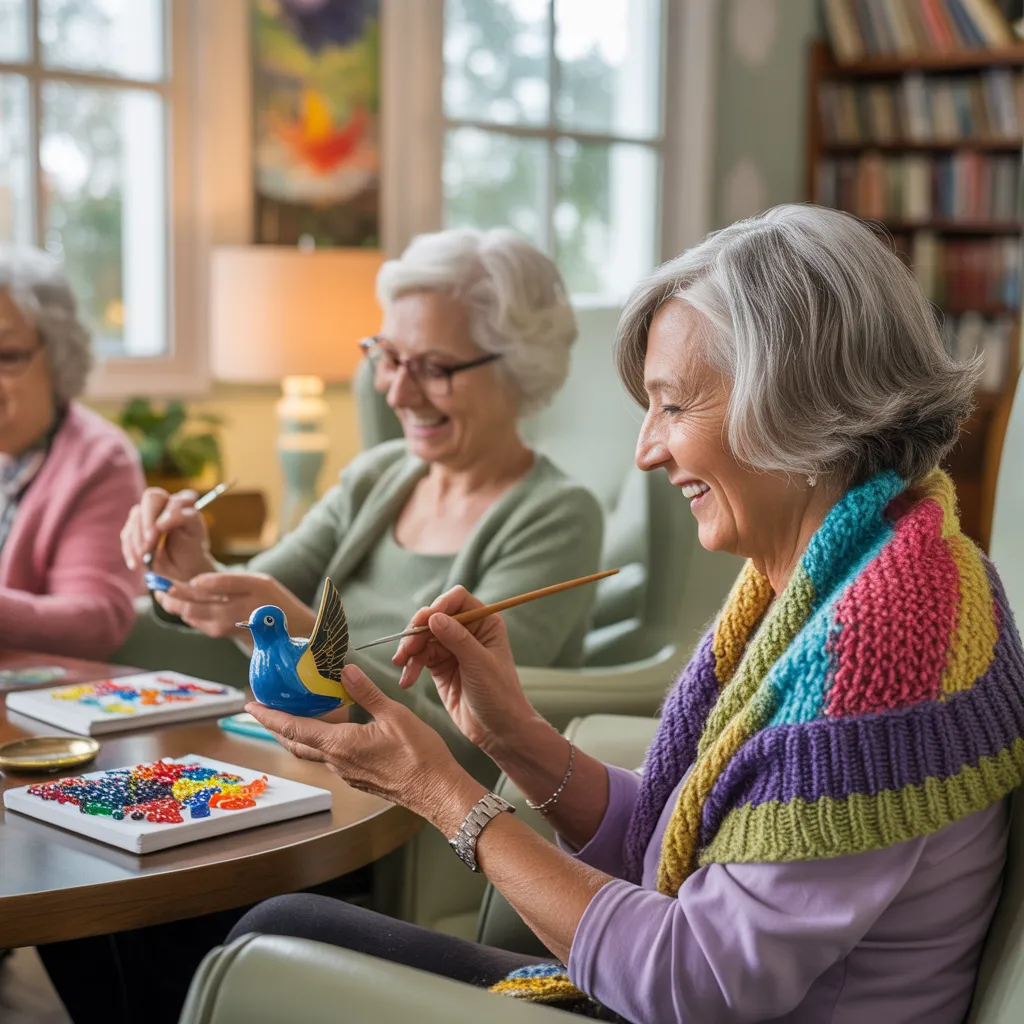
What Current Retirement Communities Seems Like
Modern senior living has changed significantly, reflecting a blend of comfort and community. Contemporary facilities prioritize aesthetics and functionality, providing well-designed apartments that cater to the needs of older adults. Open floor plans, natural light, and accessible features enhance the living experience, fostering a sense of independence.
Community spaces provide an important function, including shared areas for social activities, dining, and wellness programs. Many senior living communities incorporate gardens, walking paths, and recreational facilities, inspiring residents to experience the natural environment and keep an active lifestyle.
In addition, technology integration has become prominent, equipping residents with tools for communication, entertainment, and safety. Connected home systems and emergency support systems strengthen security while cultivating autonomy.
Health and Wellness in Senior Living
Health and wellness are commonly prioritized in senior living environments, reflecting a wholesome approach to aging. These communities regularly provide various health services, including routine medical examinations, nutritional guidance, and fitness programs customized to older adults. By creating a encouraging atmosphere, residents are encouraged to manage their health through preventive steps and lifestyle changes.
Mental health and wellness is equally emphasized, with helping resources such as professional counseling and cognitive activities designed to keep minds engaged. Plenty of facilities also support interpersonal connections by delivering wellness classes, meditative practices, and access to nature, all of which play a role to a sustainable lifestyle. Additionally, the dedication on custom-made care solutions guarantees that every client receives support services that resonates with their personal wellness aims. All told, these undertakings strive to enhance the living standard, giving seniors agency to advance in their later years.
Activities That Develop Connections
While cultivating a sense of community, connection-building activities in senior living environments are crucial in improving residents' social engagement. Engaging in collective activities such as art classes, gardening clubs, and game nights promotes socializing and camaraderie among residents. These common activities reduce social barriers and foster a supportive atmosphere.
Furthermore, structured activities, like trips to local theaters or nature parks, create chances for residents to connect over shared passions and experiences outside the facility. Frequent social events, featuring potluck dinners and holiday celebrations, further enhance relationships through communal participation.
In addition, volunteer opportunities among the community can nurture a sense of mission while joining residents with one another and the broader community. Overall, these events not only strengthen residents' lives but also contribute to a vibrant and interconnected living environment.
Never-Ending Knowledge Acquisition for Seniors
Senior citizens derive tremendous value from delving into new ideas and perspectives, which can elevate their quality of life. Workshops and lectures frequently welcome guest speakers, creating an engaging atmosphere where residents can ask questions and share insights. Additionally, online courses offer flexibility, allowing seniors to acquire knowledge at their own pace.
Community's Influence in Lifting Senior Spirits
As individuals age, belonging to a community can greatly enhance their total quality of life. Interacting with different people fosters significant bonds, which are essential for psychological health. Groups create opportunities for social interaction, minimizing emotions of disconnection and loneliness that often accompany aging. Regular participation in group activities—such as classes, trips, or group dinners—encourages seniors to forge friendships, share experiences, and aid each other.
In addition, a vibrant community often establishes a goal-oriented perspective. When aging adults utilize their skills and knowledge, they become valued and engaged, even more boosting their personal confidence. Provision of amenities, like health services and leisure amenities, within a community can also uplift their life quality.
In the end, a strong community network not only enhances happiness but can also lead to healthier and more rewarding lives for seniors, helping them to embrace their golden years with energy and joy.
Often Asked Queries
How Much Do Senior Living Facilities Expense?
Fees affecting senior living facilities might contain monthly rent, utility fees, care services, meal plans, and additional amenities. Financial considerations extend widely based on location, facility type, and level of care required.
How Can I Find the Perfect Senior Living Community?
Finding the ideal residential community necessitates evaluating personal needs, visiting potential facilities, assessing services offered, considering location, consult article and reviewing costs. Engaging with current residents can provide valuable insights into the community's atmosphere and quality of life.
What Choices for Accommodations Are Accessible in Retirement Facilities?
Senior living facilities range from independent apartments, assisted living units, memory care suites, and skilled nursing facilities to meet diverse needs. Every option provides solutions tailored to different requirements, helping residents identify a fitting environment for their lifestyle and health circumstances.
Are Pets Accepted in Senior Living Communities?
Senior living communities frequently allow animal companions, recognizing their beneficial effects on resident wellness. Requirements differ, however, with some places imposing size or breed guidelines and demanding animal deposits to maintain a tranquil setting.
How Can Family Members Remain Engaged in a Senior's Life?
Family members can remain involved in a senior's life by scheduling regular visits, participating in activities together, staying in touch via regular phone calls and texts, and assisting with digital tools to maintain connections and share experiences effectively.